From balcony gardeners to large farms, cocopeat blocks have become a favourite choice for improving soil health and water retention. Understanding how to hydrate and use these compact blocks correctly helps you get the best results from every seed you sow.
What is cocopeat and why use blocks
Cocopeat is a natural growing medium made from the fibrous husk of coconuts. It is lightweight, holds moisture extremely well and keeps soil airy so roots can breathe. Compressed cocopeat blocks are easy to transport and store, expanding several times in volume once hydrated. Gardeners use them for seed starting, potting mixes, raised beds and microgreens because cocopeat supports strong root growth and reduces the need for frequent watering.
Step one: choosing the right cocopeat block
Before you hydrate a block, check the label for key details such as Low EC (low salt content) and whether it is washed and buffered. Low EC cocopeat is gentler on young roots and ideal for vegetables and microgreens. Make sure the block is free from visible mold and has a mild, earthy smell rather than a sour odour. Selecting good quality cocopeat at the start prevents many future problems with poor germination or stunted plants.
Step two: hydrating the block properly
Place the cocopeat block in a large plastic tub or bucket that can hold at least three to four times the block volume. Pour warm, clean water gradually over the block, allowing it to soak in rather than flooding it all at once. Most standard blocks require 15 to 25 litres of water to fully expand, depending on size and density. As the block softens, break it apart gently with your hands or a garden tool until all hard chunks are loosened and the texture feels fluffy and evenly moist.
Step three: checking moisture and drainage
Well hydrated cocopeat should feel damp when squeezed in your hand, releasing only a few drops of water. If it drips heavily, it is too wet and needs to drain for a while before use. Spread the expanded cocopeat on a clean surface or leave it in the tub with drainage holes so excess water can escape. This step is important because overly wet cocopeat can suffocate roots and invite fungal growth once plants are added.
Using cocopeat in pots, beds and microgreens
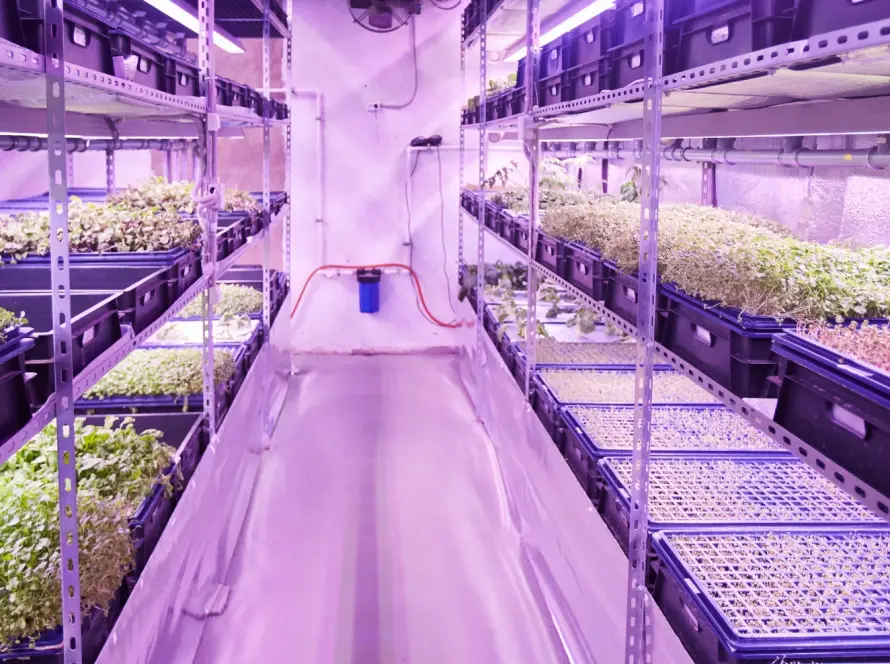
For container gardening, mix cocopeat with compost and good garden soil in equal parts. This combination improves structure, adds nutrients and ensures proper drainage. Fill pots or grow bags with the mix, plant seedlings or seeds and water thoroughly until moisture runs out of the bottom. In raised beds, layer cocopeat with existing soil and organic matter to lighten heavy clay and improve water holding capacity. For microgreens, fill shallow trays with pure Low EC cocopeat, level the surface, sow seeds evenly and mist gently until germination.
Ongoing care and reusing cocopeat
Cocopeat gradually breaks down but can often be reused for multiple growing cycles with a little care. After harvesting a crop, remove old roots, dry the cocopeat slightly and mix it with fresh compost before using again. Periodically add organic fertilizers because cocopeat itself is low in nutrients and mainly acts as a structural and moisture holding component. By monitoring moisture levels and feeding plants regularly, you can keep cocopeat based mixes productive for many seasons.
Hydrating and using cocopeat blocks correctly turns a compact brick into a versatile, eco friendly foundation for healthy gardening. With a bucket of water, a bit of patience and the right mixing ratios, you can upgrade pots, beds and trays for stronger roots, better water management and more resilient plants in every corner of your home or farm.